
What Size Sign Do I Need for My Business?
One of the most common questions we hear from business owners is simple:
"What size sign do I need for my business?"
The answer may seem straightforward, but the reality is that sign sizing involves much more than choosing something that "looks big enough." The right sign size can significantly impact visibility, customer awareness, and even your long-term return on investment.
A sign that is too small may go unnoticed. A sign that is too large may violate local regulations or appear out of proportion to the property. The goal is to find the right balance between visibility, functionality, and compliance.
At Landmark Signs, we evaluate each project individually to determine the most effective sign size for the location and intended audience.
Viewing Distance Matters
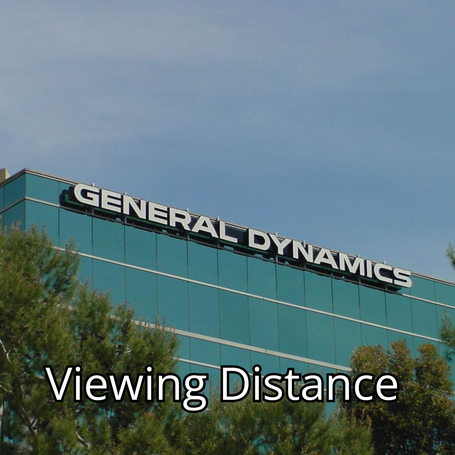
One of the biggest factors in determining sign size is how far away people will be when they first need to see it.
A storefront sign viewed from a sidewalk requires much different sizing than a monument sign intended to be seen from a busy roadway.
The farther away your audience is, the larger the lettering and overall sign face typically need to be. If drivers or pedestrians cannot read your sign until they are directly in front of your business, the sign is not doing its job effectively.
When evaluating a site, we look at:
- Distance from the road
- Building setbacks
- Landscaping and visual obstructions
- Traffic patterns
- Available sightlines
These factors help determine how large the sign should be to maximize visibility.
Traffic Speed Changes Everything
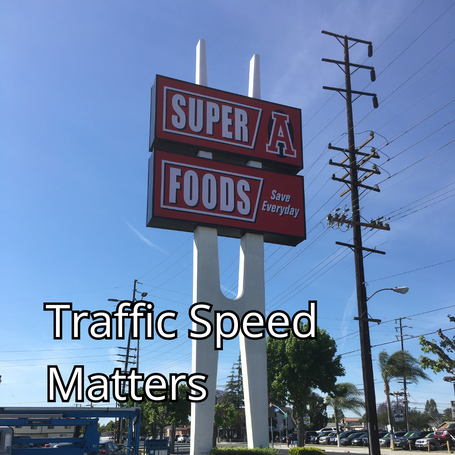
The speed at which people pass your business plays a major role in sign sizing.
Imagine driving down a residential street at 25 miles per hour. You have plenty of time to notice signs, read business names, and identify locations.
Now imagine traveling on a major roadway at 50 miles per hour. Drivers have only a few seconds to process information before they pass your location.
As vehicle speed increases, sign size generally needs to increase as well.
Larger lettering, simplified messaging, and properly scaled sign structures help ensure your business can be identified quickly and safely.
This is why signs along major thoroughfares are often significantly larger than signs located in pedestrian-oriented shopping centers.
Every City Has Sign Regulations
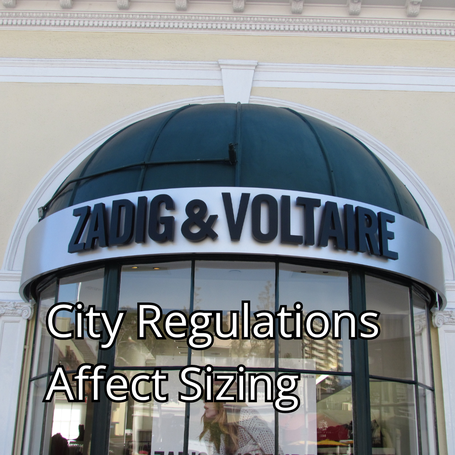
Another critical factor is local sign code requirements.
Most cities regulate:
- Maximum sign area
- Sign height
- Setbacks
- Illumination
- Placement
- Number of signs allowed
Many business owners are surprised to learn that the sign they envision may exceed local regulations.
Before any design work begins, Landmark Signs reviews applicable municipal requirements to ensure your project meets local standards. This helps prevent costly redesigns, permit delays, and compliance issues later in the process.
In many cases, the maximum size allowed by code is not necessarily the most effective size. The best solution often balances visibility with aesthetics and site conditions.
The Bigger the Better
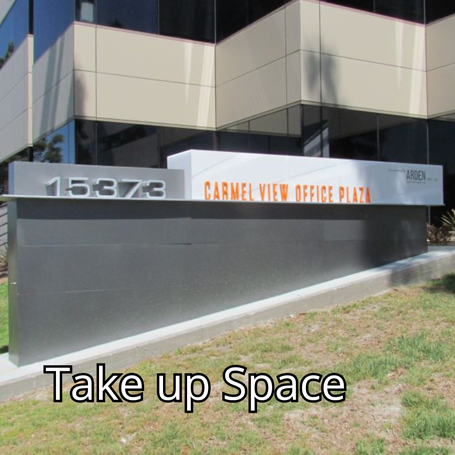
When it comes to business signage, size matters.
A sign’s primary job is to be seen, recognized, and read quickly, and in most cases, a larger sign performs better at accomplishing that goal. That’s why we often recommend maximizing the size allowed within local sign codes whenever possible, rather than settling for the minimum.
Larger signage improves visibility from greater distances, helps your business stand out in busy or competitive corridors, and strengthens overall brand presence. It also ensures drivers and pedestrians have enough time to notice and process your business name, especially in high-traffic areas where attention is limited.
That said, every sign still needs to be thoughtfully designed and properly scaled to the property. The goal is not just to be big, but to be effective, balanced with good design, readability, and compliance with city requirements so the final result feels intentional and professional.
The Building Should Guide the Scale
A sign should feel proportionate to the building and property it serves.
A small sign on a large building can appear insignificant and difficult to locate. Conversely, an oversized sign on a smaller structure may feel overwhelming and out of place.
Proper scaling creates visual balance while maintaining strong visibility.
Whether we're designing a monument sign, channel letter sign, tenant panel, or wayfinding system, we consider the architecture and surrounding environment to ensure the sign complements the property rather than competing with it.
Why a Site Evaluation Is Important
Because every property is different, there is no universal answer to the question of sign size.
A retail storefront in a shopping center will have different requirements than a medical office, church, industrial facility, or corporate campus.
That is why we begin with a site evaluation.
By examining the property's visibility, traffic flow, surrounding environment, and local regulations, we can recommend a sign size that is both effective and compliant.
The result is a sign that works as intended, helping customers find your business, reinforcing your brand, and creating a professional first impression.
Finding the Right Size Sign for Your Business

If you're planning a new sign project, determining the proper size is one of the most important decisions you'll make.
The right sign should be visible from the appropriate distance, easy to read at traffic speeds, compliant with local regulations, and scaled appropriately for your property.
At Landmark Signs, we help businesses navigate these considerations every day. Our goal is to recommend solutions that maximize visibility while ensuring the final sign looks great and performs effectively for years to come.
If you're wondering what size sign is right for your business, we're happy to evaluate your location and provide recommendations based on your specific site conditions and goals.
Write a comment