

What is the Difference between LED Signs and Neon Signs?
When businesses begin exploring illuminated signage, one of the most common questions is whether LED signs or Neon signs are the better choice. Both options offer visibility and visual impact, but they function very differently and create different experiences for the business and customer.
The right option often depends on the type of business, the branding goals, the desired appearance, and long term maintenance expectations.
LED Signs

LED signage has become the most common illuminated signage option for modern businesses because of its efficiency, durability, and flexibility. LED signs use light emitting diodes to create illumination, allowing businesses to achieve bright and highly visible signage while using less energy than traditional lighting systems.
One of the biggest advantages of LED signs is long term performance. LED systems typically last longer and require less maintenance compared to Neon. This makes them a practical option for businesses looking for reliable visibility with lower ongoing upkeep.
LED signage is also highly versatile. It can be used for channel letters, cabinet signs, digital displays, halo illuminated signs, and many other custom applications. Businesses can choose from different brightness levels, colors, and lighting styles depending on the overall branding and environment.
For many commercial properties, retail centers, and corporate businesses, LED signage provides the visibility and consistency needed for modern signage systems.
Neon Signs
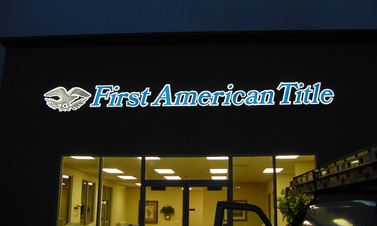
Neon signage offers a very different visual style. Instead of the crisp and even illumination commonly associated with LED systems, Neon creates a softer and more nostalgic glow that many businesses still prefer for atmosphere and character.
Traditional Neon signs are created using glass tubes filled with gas that illuminate when electrical current passes through them. This creates the classic appearance often associated with vintage storefronts, restaurants, bars, entertainment venues, and artistic signage.
While Neon signs can create a distinctive and memorable look, they generally require more maintenance over time. The glass components are more delicate, and repairs may be needed more frequently compared to modern LED systems.
Despite this, many businesses intentionally choose Neon because the aesthetic itself becomes part of the brand identity. Restaurants, breweries, bars, and entertainment spaces often prefer the warmth and personality Neon signage can create.
Which Option Is Better?

For most businesses today, LED signage is usually the more practical option because it is energy efficient, longer lasting, and easier to maintain. It also provides greater flexibility for modern custom signage applications and large scale commercial projects.
However, that does not mean Neon signs no longer have a place. In the right environment, Neon can create a unique atmosphere and visual identity that LED signage may not fully replicate. The decision often comes down to the overall style and goals of the business.
A modern corporate office may benefit more from clean LED illuminated signage, while a restaurant or nightlife venue may intentionally choose Neon to create a more memorable visual experience.
Choosing the Right Illuminated Signage

The best illuminated signage solution depends on the property, branding goals, visibility requirements, and overall customer experience the business wants to create.
At Landmark Signs, we help businesses evaluate the advantages of different illuminated signage options based on how the sign will actually function in the real environment. Whether the project calls for modern LED signage or a more traditional Neon appearance, the goal is always to create signage that supports visibility, branding, and long term performance.
Contact us now to get your own custom Illuminated Sign by Landmark Signs.
Write a comment