

Will ADA Signs Help My Business?
Yes. If your business serves the public, ADA Signs are essential for compliance, accessibility, and functional navigation. They ensure individuals with visual, mobility, or cognitive disabilities can independently identify rooms, exits, restrooms, and permanent spaces within your property.
ADA Signs are especially critical in multi-tenant buildings, medical facilities, office complexes, educational campuses, hospitality properties, and public spaces where permanent rooms and life-safety features must be clearly identified.
When ADA signage is properly installed, visitors navigate independently, staff spend less time assisting with basic location questions, and the property operates more efficiently.
ADA Signs are not decorative add-ons. They are required infrastructure that supports accessibility, compliance, and professional operation.
What ADA Signs Communicate About Your Business
What do ADA Signs communicate about your business?
ADA Signs communicate responsibility, inclusivity, and professionalism. They signal that your property has been designed with intention and that accessibility is not an afterthought.
Accessibility
ADA Signs show that individuals with visual impairments can navigate independently using tactile lettering and Braille. This communicates awareness and respect for diverse needs.
Compliance
Proper ADA signage demonstrates adherence to federal accessibility standards. It signals that the business understands regulatory requirements and takes them seriously.
Organization
Clear identification of permanent rooms, restrooms, stairwells, and exits reflects order and structure. It suggests the property is managed thoughtfully rather than reactively.
Professionalism
Consistent placement, legibility, and material standards indicate operational competence. ADA compliance reflects attention to detail beyond aesthetics.
Inclusivity
Accessible signage communicates that all visitors are considered in the design of the space. This builds trust and reinforces a welcoming environment.
Community Commitment
ADA Signs demonstrate that your business values every member of the community. By ensuring accessibility for individuals of all abilities, you show that inclusion is built into your physical
space — not treated as an afterthought.
Risk Awareness
ADA Signs reduce legal exposure. Proper compliance helps prevent complaints, citations, or costly retrofits.
Safety Support
ADA Signs support life-safety systems by clearly identifying exits, stairwells, and areas of refuge. In emergency situations, accessible identification becomes critical.
These impressions are often subtle, but they strongly influence how a property is perceived and remembered.
Do I Need an ADA Sign?
Yes, if your building includes permanent rooms, restrooms, stairwells, elevators, or exit pathways, ADA Signs are required.
ADA Signs are especially necessary for:
-
Multi-tenant office buildings
-
Medical and dental practices
-
Educational institutions
-
Hotels and hospitality properties
-
Retail and mixed-use developments
-
Government and municipal buildings
If visitors must locate restrooms, exits, or permanent spaces independently, ADA-compliant identification is essential.
When ADA signage is correctly installed at latch-side door locations and mounted to proper height standards,
individuals can identify spaces without assistance. Staff interruptions decrease, navigation improves, and liability risk is reduced.
If your goal is to operate legally, professionally, and inclusively, ADA Signs are not optional. They are required.
What Are the Benefits of an ADA Sign?
ADA Signs improve accessibility, reduce liability, and support independent navigation across commercial environments.
They are most effective in office complexes, medical facilities, campuses, retail centers, hospitality properties, and multi-tenant buildings.
Well-designed ADA Signs help businesses:
-
Meet federal accessibility requirements
-
Reduce legal exposure and compliance risk
-
Support independent navigation
-
Improve visitor confidence
-
Enhance internal efficiency
-
Reinforce professionalism and organization
When identification is clear and consistent, visitors move independently, and staff spend less time guiding guests to basic destinations.
Because accessibility affects safety, compliance, and daily operations, ADA Signs are essential business infrastructure.
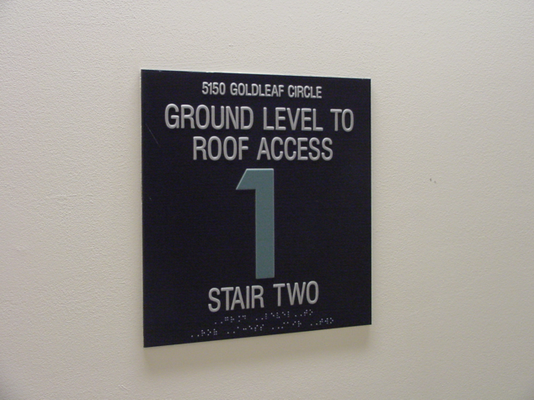
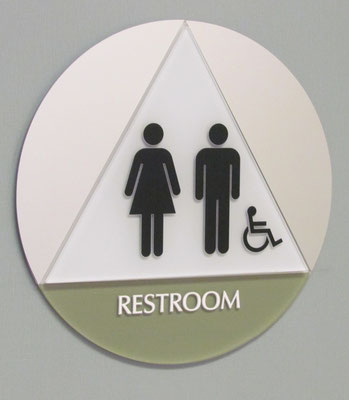
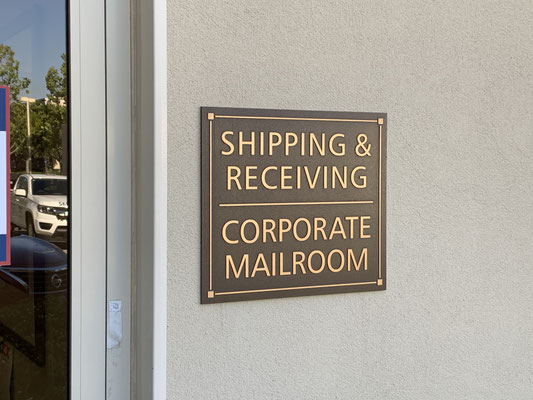
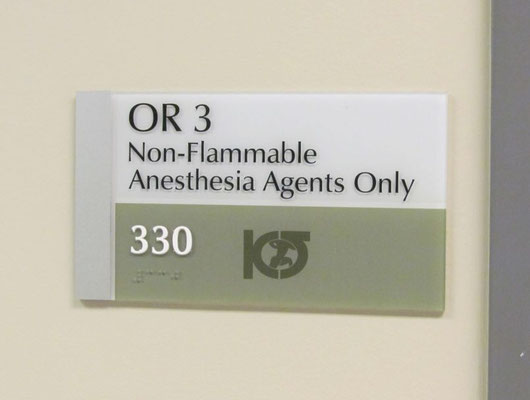
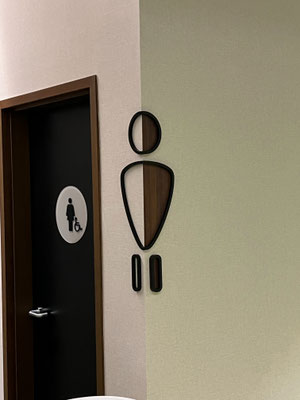
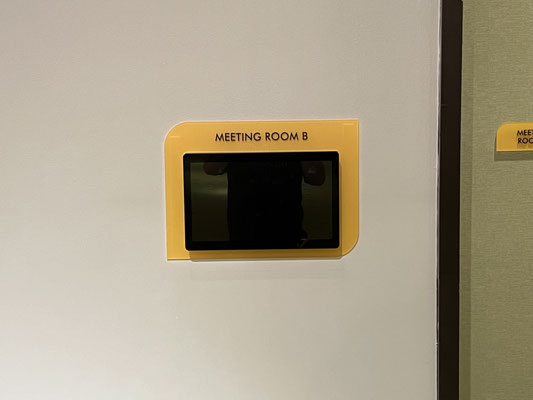
ADA SIGN GALLERY


What Common Mistakes Should Be Avoided With ADA Signs?
Even well-intentioned properties can fall short if compliance details are overlooked. ADA requirements are precise, and small errors can create significant accessibility barriers or legal exposure.
Incorrect Placement
Installing signs on the wrong side of doors or outside of required mounting heights is one of the most common mistakes. ADA room identification signs must be placed on the latch side of the door
and within specific height ranges so individuals using touch can reliably locate them.
Improper Braille Translation
Braille must meet Grade 2 standards and follow strict formatting guidelines. Errors in translation, spacing, or dot height can render signage non-compliant and unusable. Automated translations
without professional verification often result in mistakes that are costly to correct after installation.
Low Contrast or Glossy Finishes
ADA Signs require strong color contrast between background and characters to ensure readability. Additionally, finishes must be non-glare. Glossy materials may look polished but can create
reflection that makes text difficult to read under certain lighting conditions.
Treating ADA as an Afterthought
Waiting until the final stages of construction to address ADA signage often results in rushed decisions and inconsistent design. Proper planning during the architectural or renovation phase
ensures compliance is integrated seamlessly rather than retrofitted reactively.
Avoiding these mistakes protects both usability and liability while reinforcing professionalism.
3 Things Every Local Business Should Consider When Considering ADA Signs
ADA compliance should be approached strategically, not reactively. Understanding these three considerations can prevent costly corrections later.
1. Understand Which Spaces Require ADA Signs
Not every sign in a building falls under ADA requirements. Permanent rooms and spaces — such as restrooms, conference rooms, offices, stairwells, and mechanical rooms — require tactile
identification. Temporary or changeable areas typically do not. Misunderstanding these distinctions can lead to under-installation (risking non-compliance) or over-installation (wasting budget).
2. Verify Compliance Standards Before Fabrication
ADA requirements govern more than just Braille. They specify character height, spacing, stroke width, mounting height, finish, and contrast. Signs that look compliant at a glance may fail
inspection if any of these elements are incorrect. Working with experienced fabricators ensures standards are met before production, avoiding expensive reorders.
3. Plan ADA Signage Early in Construction or Renovation
Integrating ADA signage during early design phases allows for cohesive placement, consistent materials, and alignment with architectural finishes. Late-stage installation often results in
misaligned signs, inconsistent branding, or mounting challenges. Early planning creates a seamless, professional outcome while preventing delays and added labor costs.
Where ADA Signs Work Best for Local Businesses
ADA Signs are required anywhere permanent rooms or life-safety features must be identified.
Common environments include:
-
Medical campuses and healthcare facilities
-
Corporate offices and headquarters
-
Retail centers and shopping plazas
-
Multi-tenant office parks
-
Educational campuses
-
Hotels and hospitality properties
-
Civic and municipal buildings
In these environments, ADA Signs ensure restrooms, exits, stairwells, and permanent rooms are clearly marked with tactile lettering and Braille.
ADA Signs function best as part of a coordinated signage system that includes monument, building, directory, and directional signage. Together, these systems support both accessibility and overall wayfinding clarity.
Lobby Sign Design Considerations
The effectiveness of ADA Signs depends on strict adherence to compliance standards and thoughtful functional design.
Placement is critical.
Signs must be installed on the latch side of doors at regulated mounting heights. Incorrect placement renders even compliant signage ineffective.
Legibility standards must be met.
Tactile characters, Grade 2 Braille, non-glare finishes, and strong contrast are required for accessibility.
Consistency across the property is essential.
All ADA room identification signs should follow the same visual language to ensure clarity and professionalism.
Key design considerations include:
-
Correct tactile lettering and Braille translation
-
Non-glare background finishes
-
High color contrast
-
Proper mounting height and location
-
Clear hierarchy of room information
-
Durable materials suitable for long-term use
Each of these factors directly affects usability, compliance, and legal protection.
Lobby Signs for Orange County and Los Angeles Businesses
In highly regulated markets throughout Orange County and Los Angeles, ADA compliance is not optional. Commercial
properties are frequently reviewed for accessibility standards.
Well-designed ADA Signs support compliance, improve navigation, and reduce liability exposure for businesses across healthcare, retail, hospitality, and corporate sectors.
If you are developing a new property, renovating an existing space, or updating outdated signage, ADA Signs provide structure, accessibility, and legal protection where it matters most.
Accessible spaces operate more efficiently, reduce risk, and create a more professional experience for every visitor.
FOR YOUR OWN ADA SIGN CALL OR TEXT US AT 714.637.9900.
Need One-on-One Personal Help from Start to Finish? Ask about our low-cost and efficient:

If you are an intrepid, passionate and visionary small businessperson, Landmark has a low-cost program for you!
With our exclusive Entrepreneur's Design & Estimate Service, Landmark will:
- Spend unlimited one-on-one time with you, finding out your needs and educating you about signs.
- Survey your location and its sign needs.
- Thoroughly determine any city or county requirements.
- Produce completely custom sign designs, tailored just for you and your brand. You'll be able to change them as much as you'd like.
- Provide you with a very competitive estimate.
Best of all, when you purchase the final product from Landmark, the fee will be rebated, making it essentially free!
Write a comment